
You are halfway through a service. The mechanic appears and tells you something else was found. A belt that is wearing thin, brake pads that are lower than they should be, a filter that has not been changed in too long. The price quote follows.
This moment happens to almost every car owner in Malaysia at some point. And it produces a genuine dilemma: you want to take care of your car, you don't want to be taken advantage of, and you usually have no reliable way to tell which situation you are in.
The answer is not to become suspicious of every recommendation. Most mechanics are honest. The answer is to develop a basic framework for evaluating what you hear — so that when the recommendation is real, you act on it confidently, and when it isn't, you know what question to ask.
Understand the category of part
Not all recommended parts carry the same urgency. Before you respond to a recommendation, it helps to know which category you're dealing with.
Safety-critical | Brake pads, brake fluid, tyres, steering components. When a mechanic flags one of these, the threshold for acting should be low. The cost of ignoring a real warning here is high. Ask to see the condition directly. |
Maintenance items | Air filters, cabin filters, spark plugs, transmission fluid. These follow a service schedule and degrade gradually. The question to ask is: when was this last changed? If you have a service record, check it before agreeing. |
Preventive recommendations | "While we're in there" suggestions for parts that are accessible but not yet failing. These are often legitimate, but the urgency is lower. The question to ask is: what happens if I wait until the next service? |
The category does not tell you whether the recommendation is honest. It tells you how to calibrate your response to it.
Ask to see the evidence
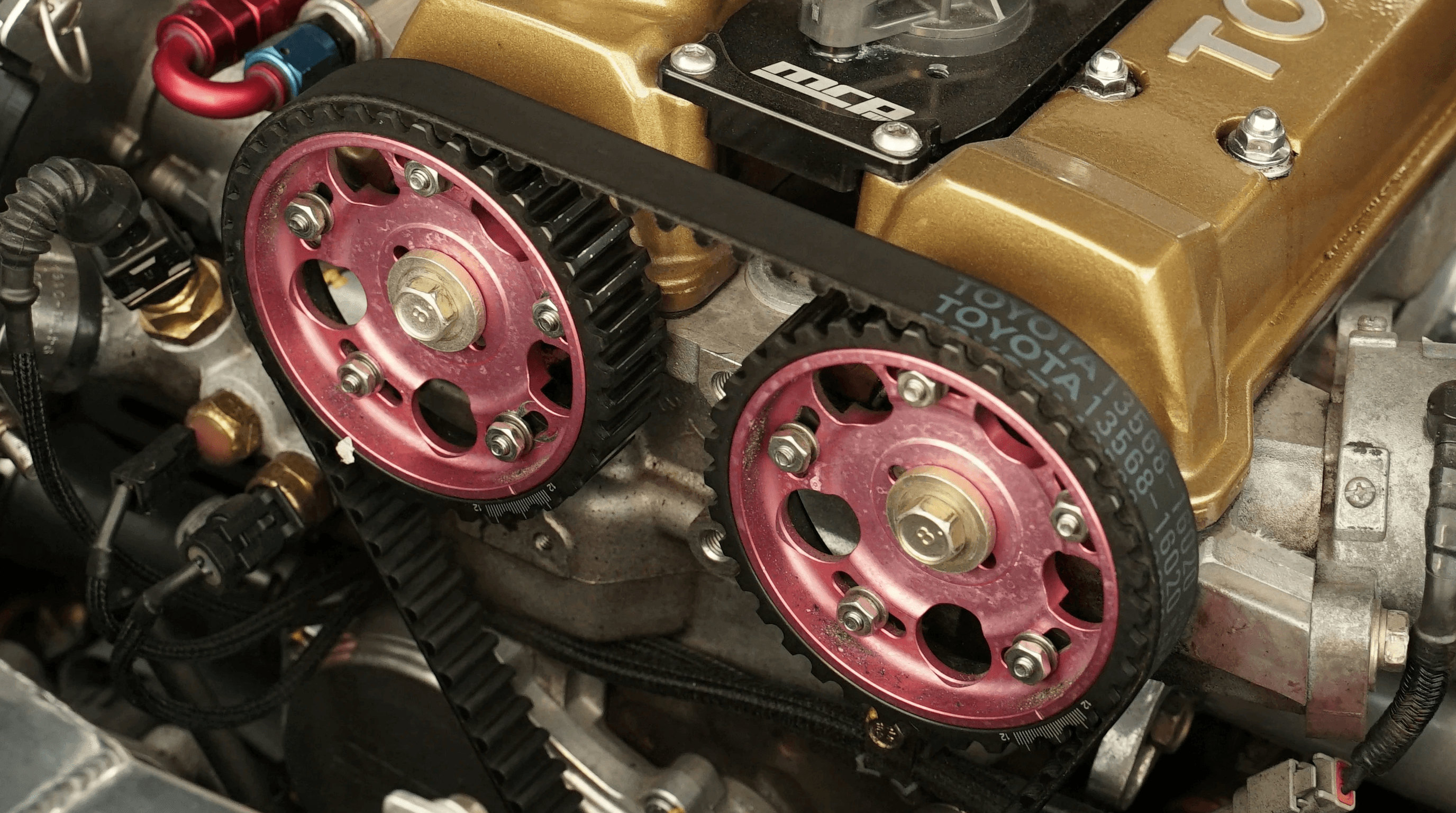
This is the most underused tool a car owner has. When a mechanic recommends a part replacement, ask to see what they are seeing. Ask them to show you the worn brake pad, the discoloured fluid, the cracked belt. A mechanic who cannot or will not show you the physical evidence of the problem is giving you a recommendation without the thing that makes it a recommendation rather than a suggestion.
Most honest mechanics will show you immediately. They work with physical objects. The evidence is right there. The ones who are confident in their diagnosis will want you to see it, because it removes the doubt from the conversation.
If the part has already been removed, ask them to keep it until you have seen it. This is a normal request. Any workshop that treats it as unusual is telling you something.
Know your car's service history
A significant portion of mid-service recommendations in Malaysia are for items that have already been serviced recently and don't yet need attention. The mechanic may not know this — they are looking at the part in front of them, not at your service record.
Keep a simple record of what was last replaced and when. A note in your phone is enough. Air filter replaced March 2024. Spark plugs replaced November 2023. When a recommendation comes in for something on your list, you have a starting point for the conversation: I had this replaced X months ago — can you check whether it actually needs replacing now?
This is not an accusation. It is relevant information. A good mechanic will check it and confirm either way.
The urgency question
For any recommendation that is not safety-critical, ask directly: what happens if I wait until my next scheduled service? The honest answer is either: it will be fine, monitor it, or you genuinely should not wait.
A mechanic who responds to this question with pressure rather than information — who gives you urgency without a specific reason — is a mechanic who has shifted from recommending to selling. These are different things. You are entitled to know which one you are receiving.
A practical checklist
When a recommendation arrives mid-service, work through this before you respond:
1. What category is this part — safety-critical, maintenance, or preventive?
2. Can I see the physical condition of what's being recommended?
3. When was this last replaced — is it actually overdue?
4. What happens specifically if I wait until the next service?
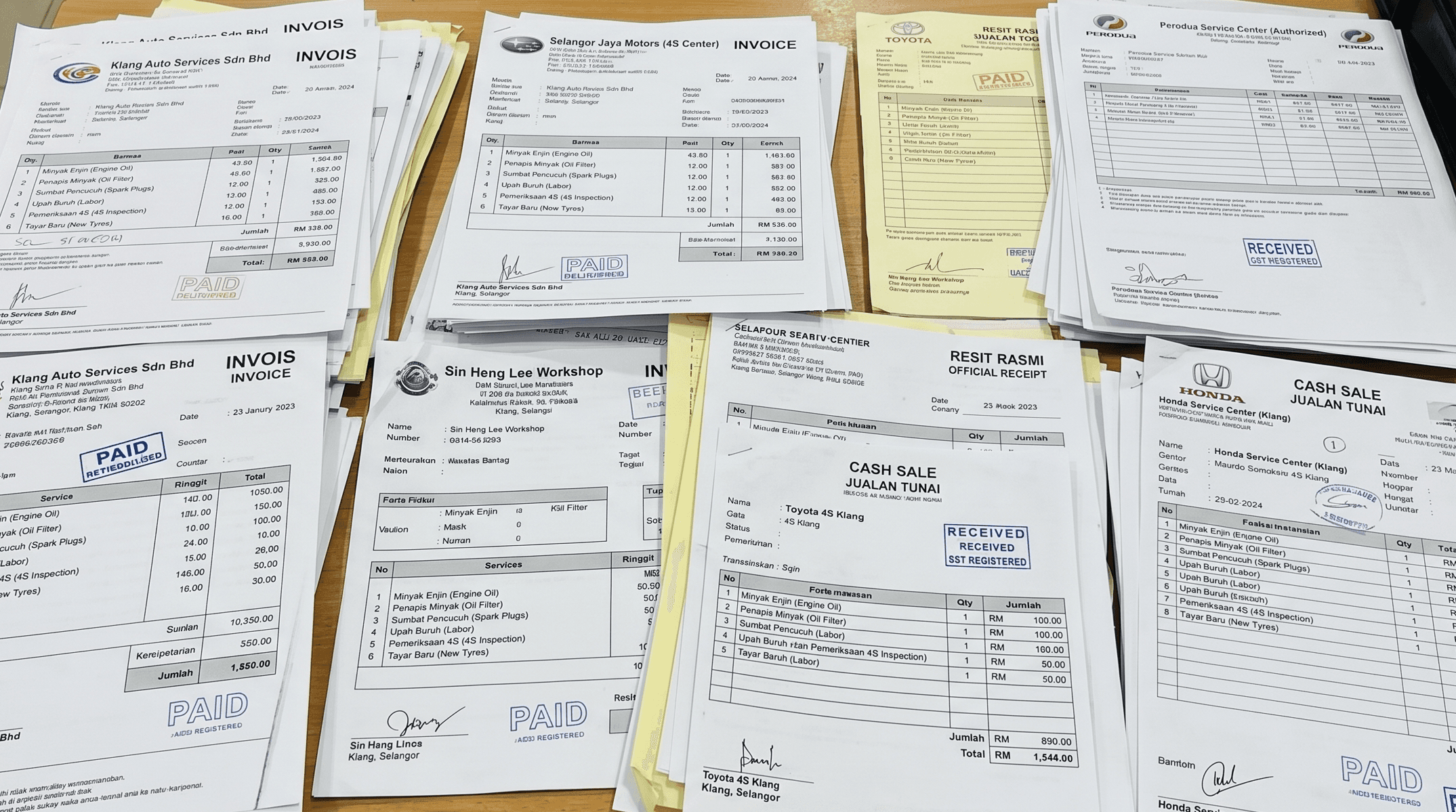
5. Can I get a written quote before I approve the work?
Five questions. You don't need to ask all of them every time. But having them available changes the nature of the conversation — from one where information flows one direction to one where you are a participant in a decision about your own car.
That is what this is ultimately about. Not catching a workshop doing something wrong. Being capable enough to tell the difference between a recommendation that is for your benefit and one that is not.