
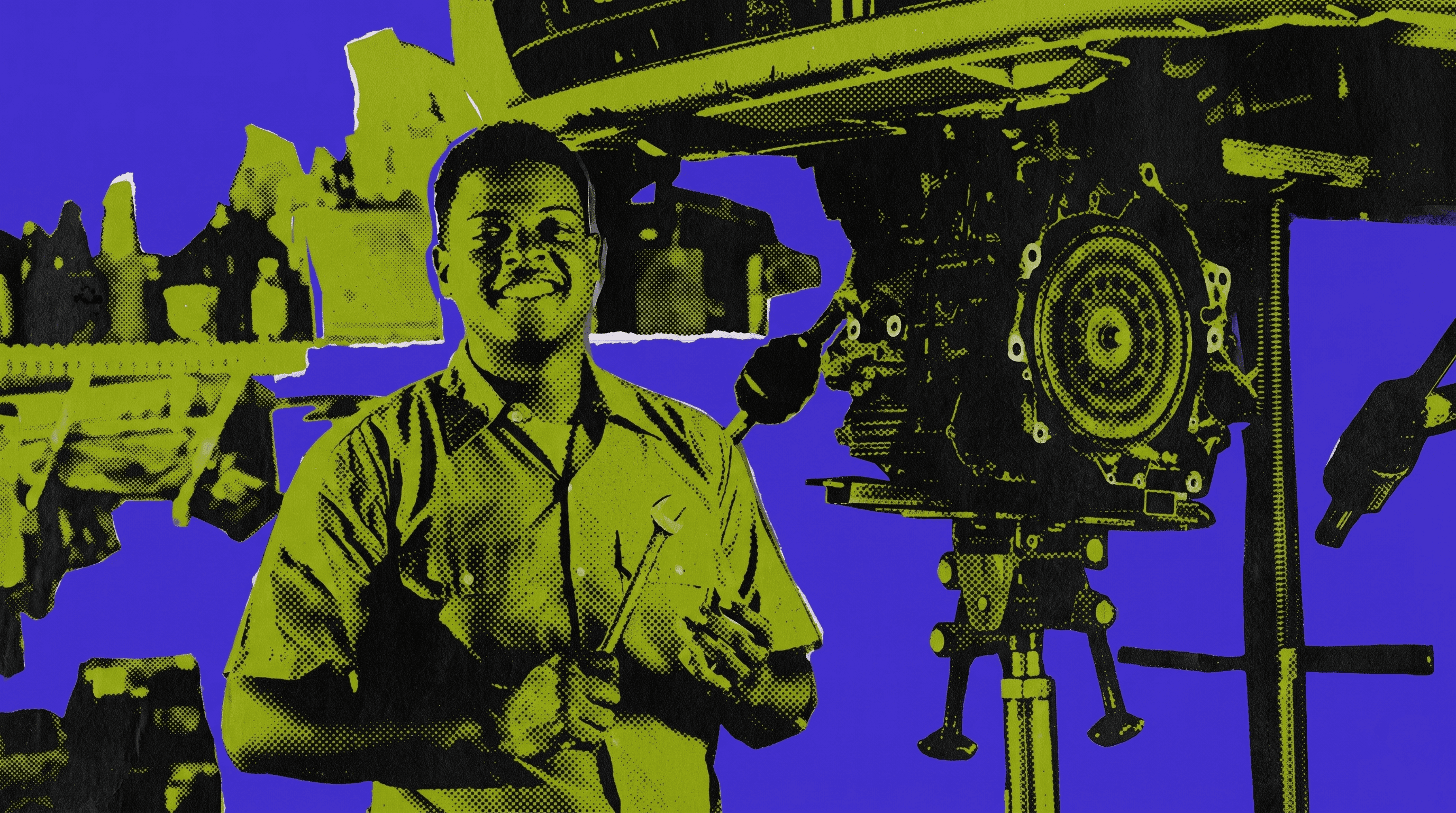
There is a type of workshop operator who will cost you more time than the transaction technically requires. He shows you the part he removed. Explains what failed and why — not in the abbreviated language of a man who wants you to leave, but in the language of someone who needs you to understand. He tells you what to watch for on the next service. He recommends against the upsell you didn't need. And then he charges you what the job cost.
This person exists across the Malaysian aftermarket. He is not rare. He is simply invisible — operating without recognition in a market whose structure was not built to surface him.
What the market does with transparency
The market's primary mechanism for distinguishing between workshops is not honesty. It is visibility. Social media presence, Google rating, proximity to main roads, signage quality. None of these variables measure what actually matters to a buyer who is leaving their car in someone's hands — whether the diagnosis is real, whether the part is what was specified, whether the work was done properly.
The transparent workshop operator gains nothing from his transparency at the acquisition stage. The buyer who has not been before cannot distinguish him from any other workshop on a map. His Waze listing looks like every other. His star rating measures satisfaction, not integrity. The buyer who chose him for the first time probably chose on proximity or price, not because the market told them this workshop was different.
Transparency functions as a retention mechanism. Once experienced, it is powerful — the buyer who has been shown the old part and given a clear account of what was done tends to return, tends to refer. But it is not an acquisition mechanism. It does not help the workshop compete for buyers it has not yet served.
The pricing problem
The honest workshop has a cost structure problem that the less scrupulous operator does not share. Sourcing parts through authorised channels costs more than sourcing through informal channels. Refusing to recommend unnecessary work reduces the invoice. Being accurate about diagnosis rather than optimistic means some visits produce smaller bills than they theoretically could. The honest operator is not just more transparent — he is less profitable per transaction than a comparably skilled operator who makes different choices about sourcing and recommendation.
The market does not compensate for this difference. The buyer at the point of decision cannot see it. The workshop down the road that sources cheaper and recommends more appears identical from the outside and charges the same or less. The buyer who has not yet experienced either workshop has no basis for the correct preference.
In a market where buyers cannot distinguish honest from dishonest operators at the point of acquisition, the honest operator bears the cost of his honesty without receiving its market value. The cost is real and present. The value is deferred and uncertain — it accumulates slowly in repeat business and referrals, and it is never captured from the buyer who went elsewhere.
Why the market keeps producing this outcome
The structure of the independent workshop market in Malaysia is not organised to surface the operator who overshares. The verification infrastructure that would make his practices visible — accreditation that means something, review systems that capture what happened to the car and not just how the customer felt — does not exist at scale. He operates in a market that provides no legible signal of the standard he maintains.
This is not a complaint about individual bad actors. The operators who source cheaply and recommend aggressively are responding rationally to the same market signals the transparent operator is responding to. The signals reward certain behaviour and are indifferent to other behaviour. Nobody designed this outcome. It is the ordinary product of a market where information asymmetry is structural.
The transparent mechanic continues because he is built that way — because the way he operates is not a strategy but a practice he would not abandon regardless of commercial incentive. He has customers who know what he is and return because of it. He manages. But the market is not making it easier.
What would have to change
A market that rewards transparency requires a platform that makes transparency legible at the point of acquisition — before the first visit, before the first decision. Not stars that measure satisfaction. Not badges that measure compliance with a listing checklist. Evidence that this operator operates differently, captured in the language of buyers who can describe what different actually felt like.
The mechanic who overshares already has the evidence. It lives in every conversation he has had with a customer who left the workshop knowing more than when they arrived. The infrastructure to transfer that evidence to buyers who haven't met him yet — that is what has been missing. That is what a platform built on earned trust is supposed to provide.