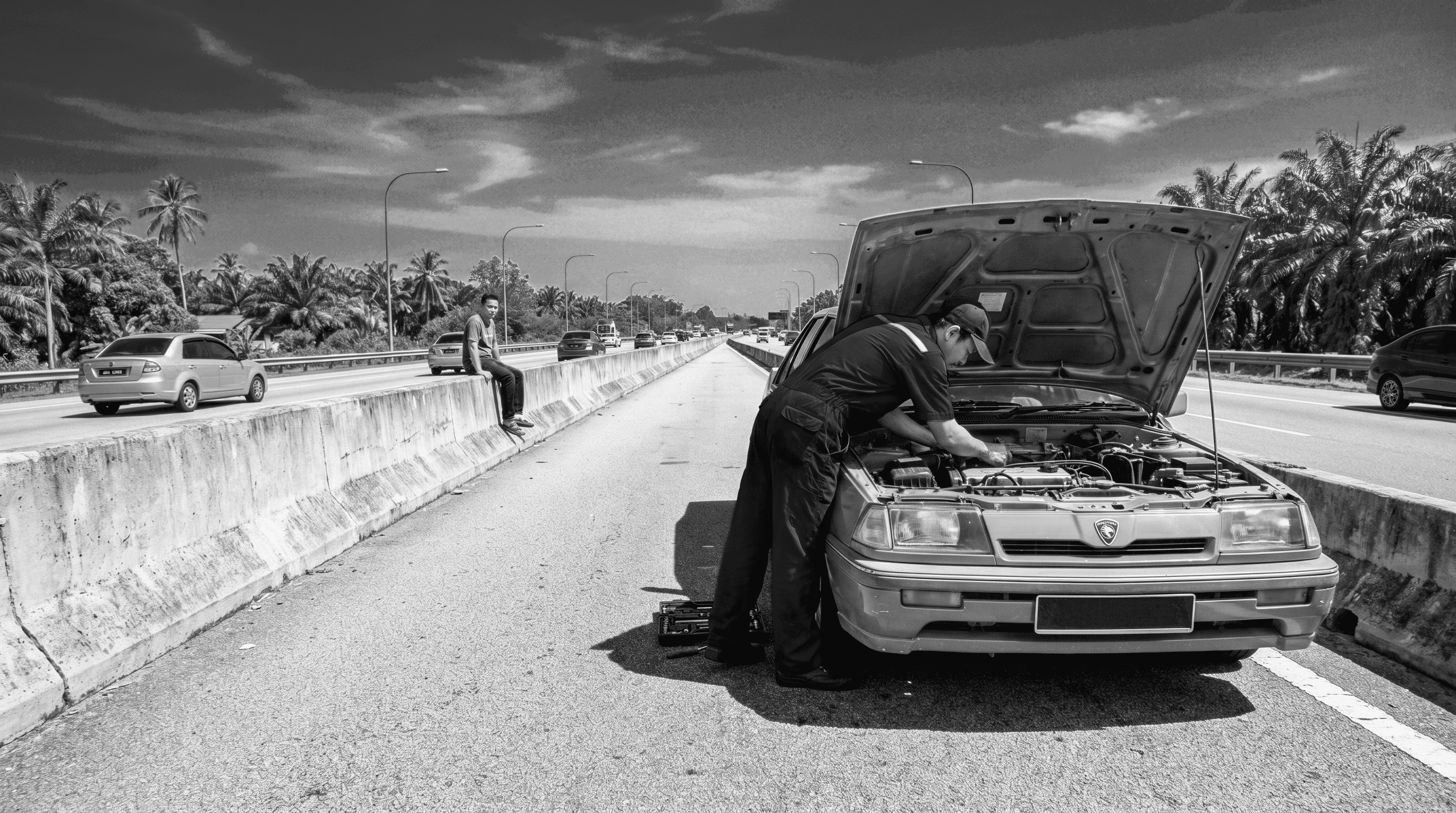
You bring your car in for a service. The mechanic does the work. You pay. You drive out. And somewhere between leaving the workshop and pulling into traffic, a version of the same thought arrives: did I actually need all of that?
It is a familiar feeling in Malaysia. And it is not necessarily a sign that something dishonest happened. Most of the time, the workshop did exactly what it said it would. The feeling comes from somewhere else — from the fact that you were not fully part of the process. You handed over the car, waited, and received a bill. What happened in between was largely invisible to you.
That gap is the information gap. And understanding where it comes from is more useful than being suspicious of your mechanic.
Why workshops don't explain more
A workshop operates under time pressure. Most service bays in Malaysia are running multiple cars at once. The mechanic doing your brake pads is the same person who needs to finish the Myvi in the next bay before 5pm. There is rarely a designated person whose job is to walk customers through what was found, what was done, and why.
This is not an excuse. It is the operational reality that produces the information gap without anyone deciding to produce it.
There is also a language assumption at play. Mechanics are trained to fix cars, not to narrate the process to people who don't share their vocabulary. When they do explain, they often explain in terms that mean something to another mechanic and very little to a car owner who came in because the car was making a noise. The explanation happens. The understanding does not.
The result is that most car owners leave a workshop knowing less than the mechanic who worked on their car — not because the mechanic withheld anything, but because the system was not designed to transfer that knowledge.
What this actually costs you
The information gap has a practical price. When you don't know what was done and why, you have no baseline for the next service. You cannot evaluate whether the next recommendation is reasonable. You cannot ask the right question when a part is flagged as urgent. You are, each time, starting from the beginning.
The car owner who has been through this enough times develops a defensive posture — they research before every appointment, they watch videos, they ask in forums. This is rational. But it is also exhausting, and it does not fully close the gap because the specific condition of your specific car at your specific service is information that only the person who looked at it actually has.
What you can do before, during, and after
The goal is not to catch your workshop doing something wrong. Most aren't. The goal is to have a more complete picture of what is happening to your car. Three points of intervention:
Before | When you book, state clearly what you are coming in for and ask if there is anything you should know before the appointment. A workshop that responds with relevant information before you arrive is already telling you something about how they operate. |
During | When the mechanic comes to you with a recommendation mid-service, ask two questions: can you show me, and is this urgent or can it wait? A straight answer to both tells you more than any amount of jargon. If they can show you the worn part, the leak, or the reading — that is the information the transaction should contain. |
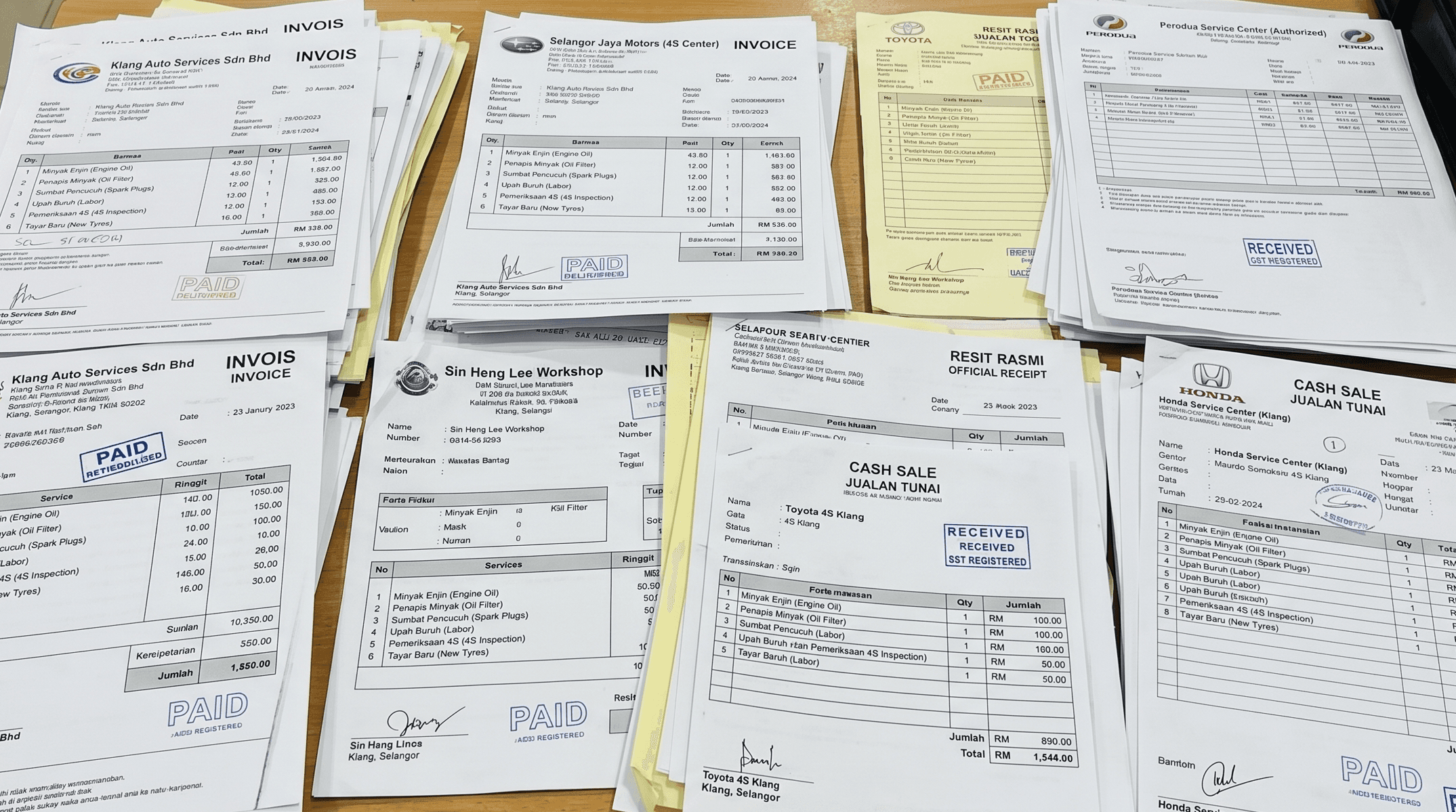
After | Before you pay, ask for a brief summary of what was done and what was replaced. Not the invoice line items — those tell you what you were charged, not what happened. Ask specifically: is there anything I should watch for before the next service? A good mechanic will have an answer. |
None of this requires confrontation. It requires only that you treat the conversation as part of the service, not a formality at the end of it.
The workshop that answers these questions
Not every workshop will welcome this. Some will be too busy. Some will give you a version of the answer that is technically complete but practically useless. That response is also information.
The workshop that answers clearly — that shows you the old part, that explains what failed and why, that gives you an honest answer on urgency — is the workshop that earns the next visit. These workshops exist. They are not rare. They are just not visible in a market that has not built a system to surface them.
The questions above are a way to find them. Ask them every time. The answers will tell you what you need to know.
Every car owner should leave a service knowing three things: what was done, what was replaced, and what to watch before the next visit. If you don't know all three, you haven't finished the service.