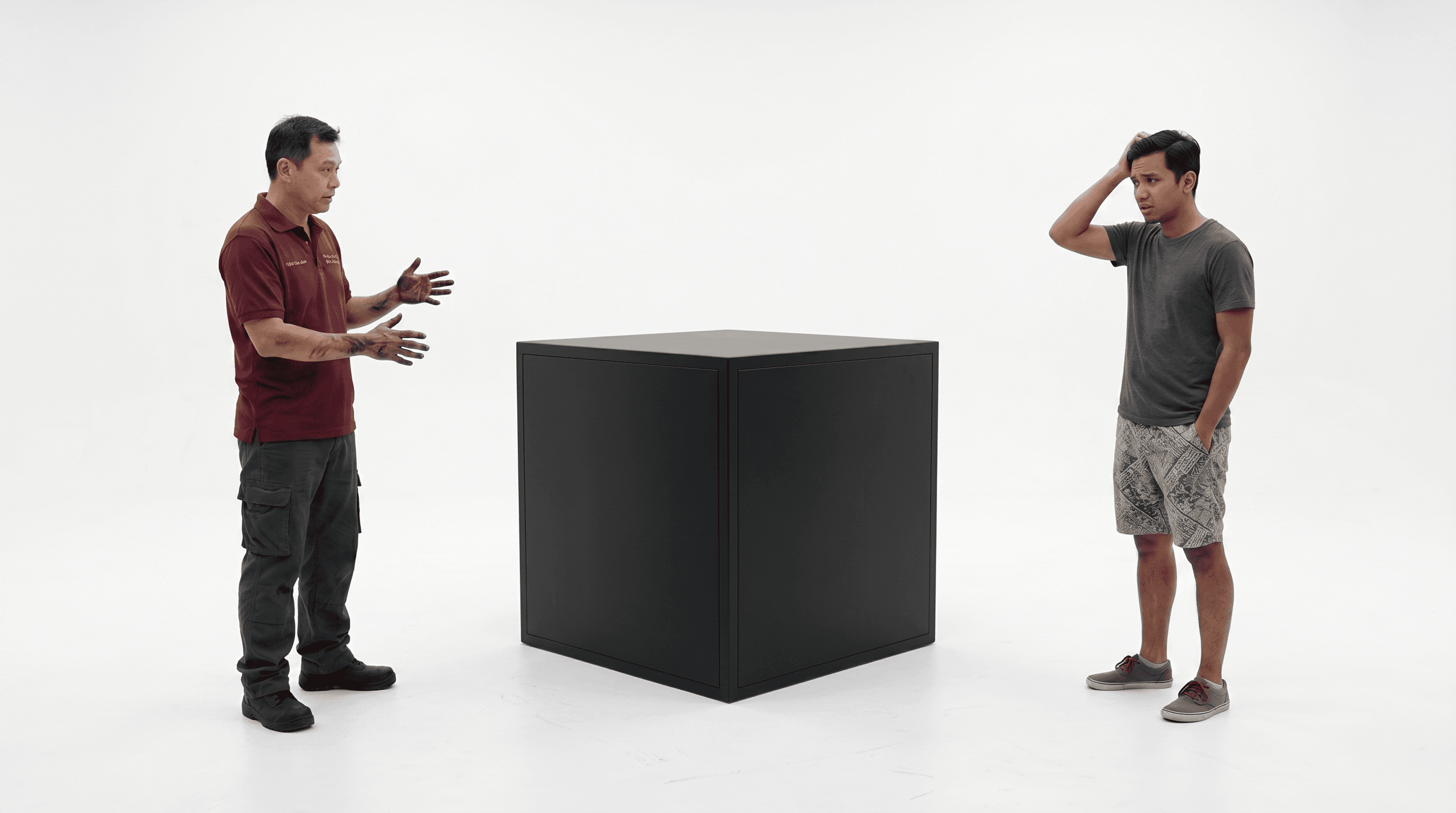
A mechanic comes back with a finding. Something was noticed during the inspection. A part is worn, a component is failing, something needs attention. You ask to see it.
What happens next tells you a great deal about the situation you are in.
In a well-run workshop, the response is immediate. The mechanic leads you to the car or lays the component on the counter. They show you what they saw. They explain what failed, what it looks like when it fails, and what the risk is if it goes unaddressed. You walk away knowing something true about your car.
But not every response goes this way. Sometimes the part has already been put back. Sometimes the explanation arrives in terms that are technically correct but practically inaccessible. Sometimes the mechanic simply says: trust me, I know what I'm looking at.
This is the moment the information gap becomes your problem. Here is how to handle it without confrontation and without simply complying.
Ask for the physical evidence first
Before anything else, ask to see the part or the condition being described. This is a reasonable request for any recommendation involving a cost. The physical evidence is the basis of the recommendation. You are entitled to see it.
If the part is still in the car: ask the mechanic to take you to it and show you. Most workshops will do this. A two-minute walk to the service bay is a normal part of explaining a finding to a customer.
If the part has already been removed: ask them to set it aside so you can inspect it before deciding. Again, normal. Any workshop that removes a component you might be asked to pay to replace should keep it available until you have seen it.
If neither is offered and no evidence is produced: you have learned something. Proceed carefully.
Ask what specifically fails
A workshop that cannot show you the physical condition of a part can still give you a specific explanation of what they observed. Ask: what exactly is the problem with it? Not what it will cost to fix, not what happens if you don't — what specifically did they see or measure that produced this recommendation?
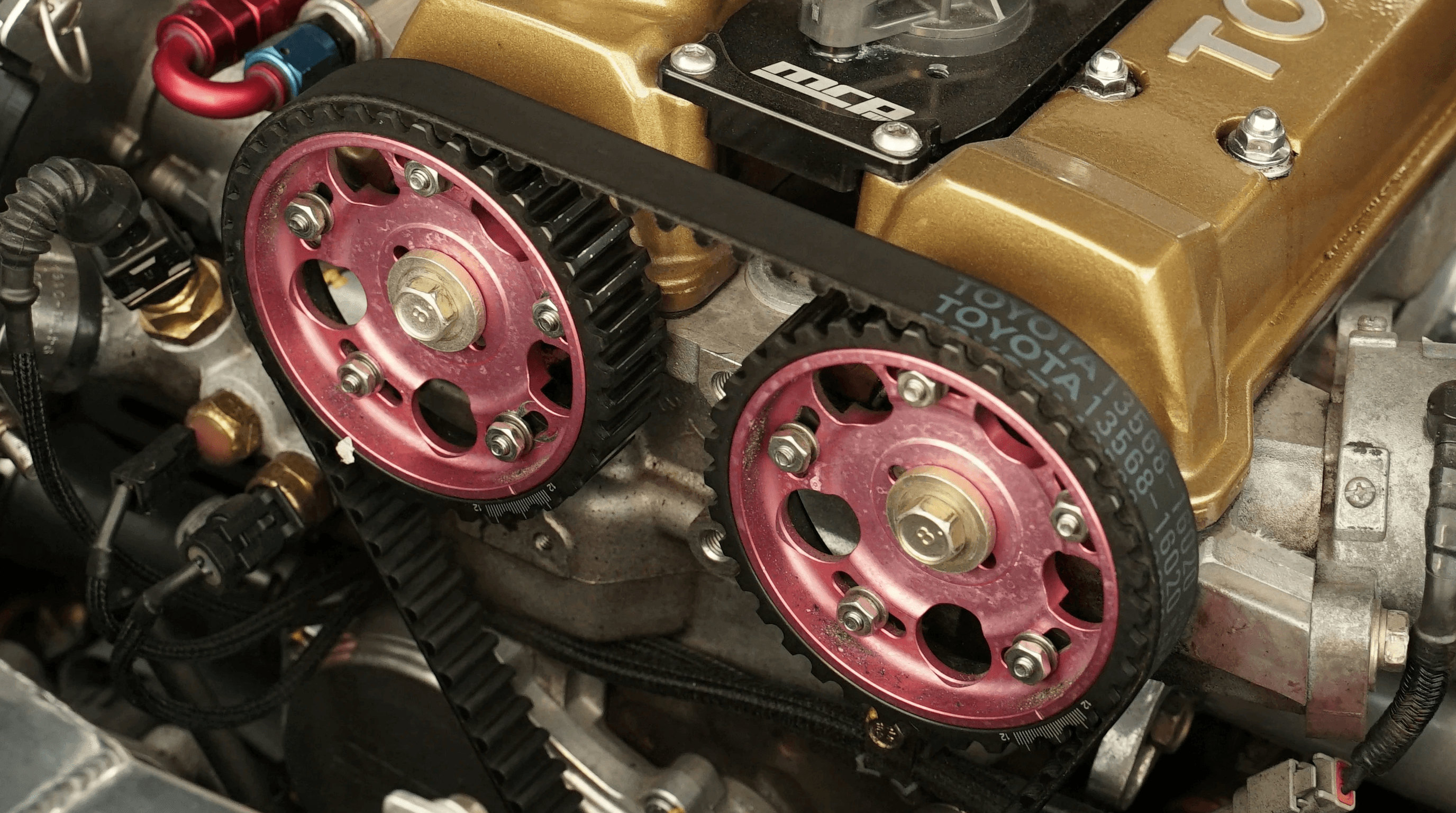
A worn brake pad has a measurable thickness. A leaking seal shows fluid residue. A cracked belt has a visible crack. A mechanic who has genuinely observed a problem can describe it specifically. Vague language — it's just not in good condition, it's getting old, better to replace it now — is not a diagnosis. It is a suggestion with no foundation you can evaluate.
The specific answer does not have to be one you fully understand. It has to be specific enough that you could describe it to a second mechanic and get a response.
Get a second opinion when the cost is significant
For any recommendation involving significant cost — a rule of thumb: anything above RM300 — getting a second opinion is a reasonable and proportionate response to uncertainty. This is not an accusation of dishonesty. It is standard practice in any service industry where you are being asked to approve work you cannot evaluate yourself.
Call another workshop. Describe what you were told. Ask whether the recommendation sounds consistent with what they would expect for your car model and mileage. You are not asking them to diagnose your car remotely. You are asking whether the story makes sense.
A second mechanic who says yes, that's common for this model at this mileage has given you useful confirmation. One who says that is unusual for this car and mileage has given you a reason to push back.
Document what you were told
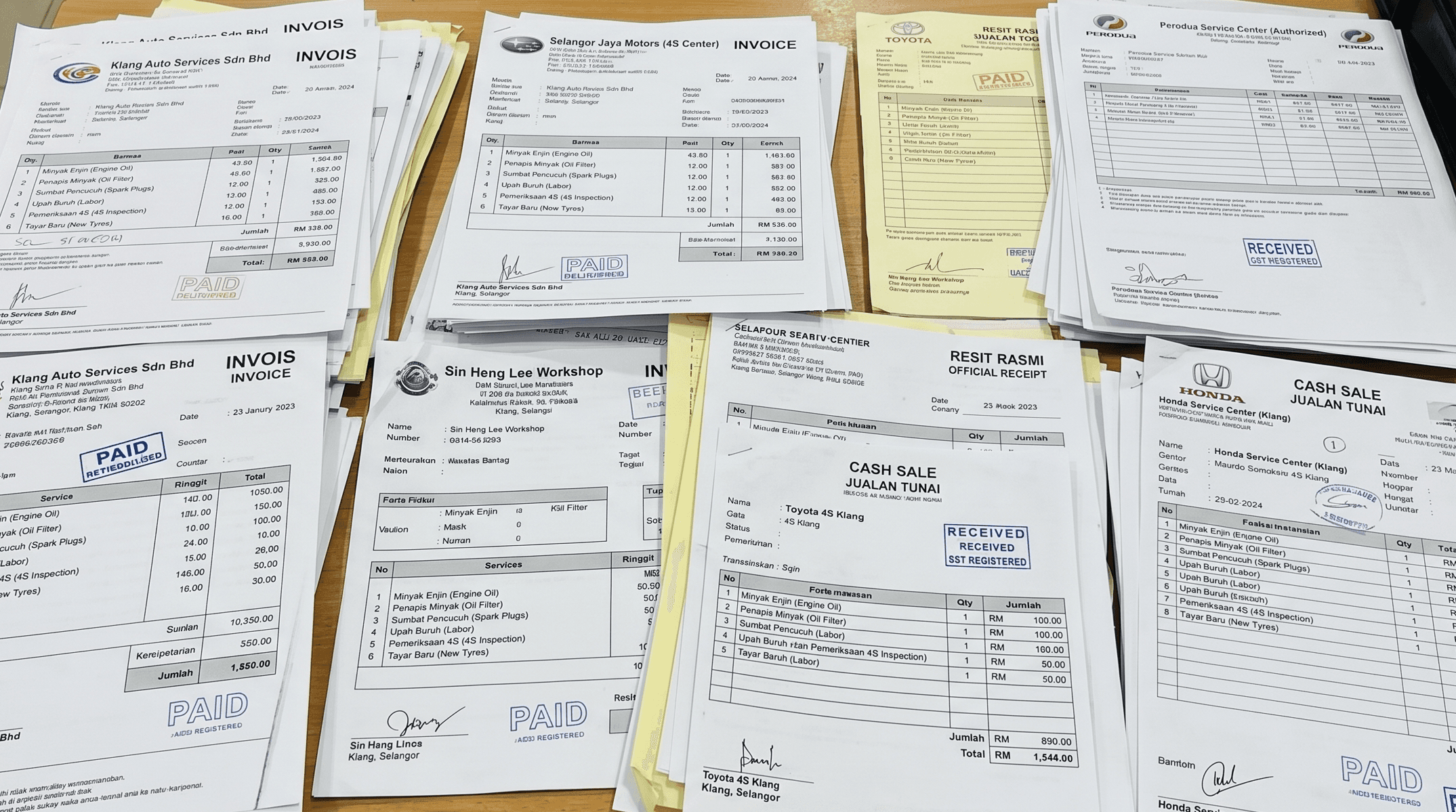
Before you leave any conversation about a mid-service finding, write down what you were told. Not for legal purposes — for your own record. Car model, date, workshop, what was flagged, what they said about urgency.
This serves two functions. First, it gives you something to check against when you speak to a second mechanic or do your own research. Second, it builds over time into a service history that makes the next conversation easier to navigate.
A car owner with a documented service history is harder to mislead — not because they are more confrontational, but because they can simply refer to what happened last time.
When to trust without verification
This is not an argument for treating every workshop as a suspect. Most mechanics are doing their job honestly under real time and operational pressure. The workshops that explain proactively, that show you what they found, that answer your questions directly — these workshops have earned trust through exactly that behaviour. When they tell you something is wrong, you have reason to believe them.
The framework above is for the conversations that don't arrive with that prior. Use it where the evidence is absent. Let it fade into the background where the trust is already established.
You do not need to understand every part of your car to protect yourself in a workshop conversation. You only need to be able to ask: can I see what you're describing? The answer tells you most of what you need to know.